
ACCJ Team
photo by Koh Akazawa
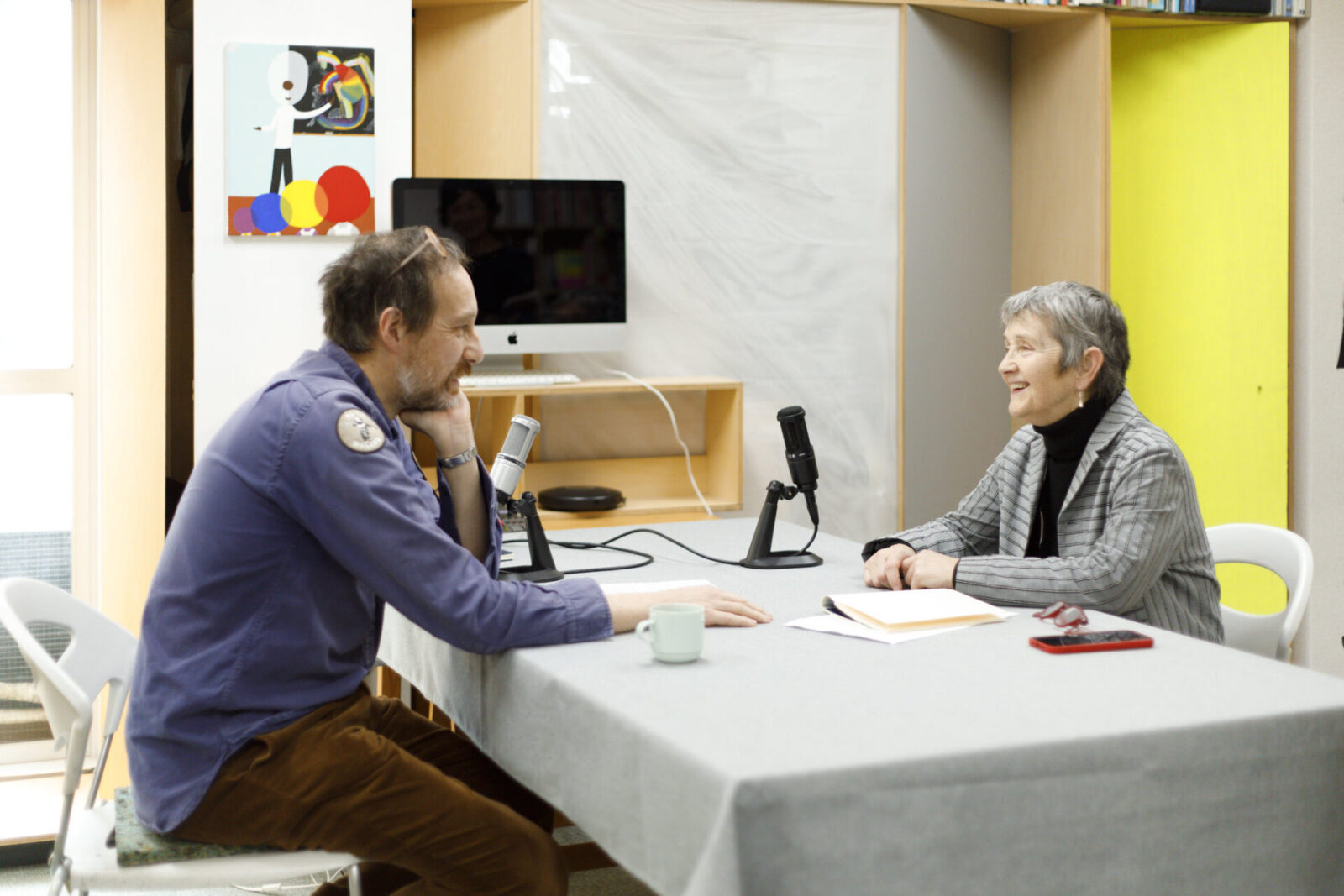
Interview with Frances Morris
(Curator, Art Historian, Chair of the Gallery Climate Coalition, Director of Tate Modern 2016-23)
Interviewer: Roger McDonald (AIT)
How can art respond to the reality of the climate crisis? In this interview series, ACCJ speaks with people working at the forefront of that question about their practices, ideas, and experiences. For this special edition, we present a conversation with Frances Morris, Director of Tate Modern 2016-2023 and current Chair of the Gallery Climate Coalition (GCC).
From 2016 to 2023, Morris served as Director of Tate Modern, where she pioneered approaches to museum leadership grounded in social responsibility, including advancing gender equality and Tate’s 2019 declaration of a climate and ecological emergency. In April 2025, she became Chair of the GCC, an organization leading efforts toward the goal of reducing the art sector’s carbon emissions by 50% by 2030. We spoke with her about her experiences at Tate and what she believes the art world now needs moving forward.
Read the Japanese version
Listen to the original interview (English only)
Frances Morris, CBE
Frances Morris served as Director of Tate Modern from 2016 to 2023 and previously as Director of Collections, International Art. Her curatorial work includes major retrospectives of Louise Bourgeois, Yayoi Kusama, and Agnes Martin. From 2006 to 2016, Morris played a leading role in strategically expanding and diversifying Tate’s collection policy. Through acquisitions, exhibitions, and curatorial initiatives, she led the geographical expansion of Tate’s collection beyond the Western canon, advanced gender equality across Tate Modern’s artistic programme, and broadened the scope of contemporary art within the museum by establishing performance and live art as key areas of the collection.
Since spearheading Tate’s declaration of a Climate and Ecological Emergency in July 2019, she has also become an influential voice in discussions surrounding culture and sustainability. Recent projects include Phyllida Barlow: unscripted (Hauser & Wirth Somerset) and Agnes Martin: Moments of Perfection (Sorol Art Museum, South Korea).
Encounters with Activists
— We are truly delighted to welcome you today, Frances.
Well, thank you for inviting me. It’s a great opportunity.
— In this interview series, we always begin by asking why our guests became so passionate about the environment, ecology, and sustainability. Was there some significant moment in your childhood or later in life that shaped this awareness?
Well, very good question. I’m always interested in where the roots of people’s contemporary anxieties or passions come from. And mine, I suppose, I trace back to my teenage years in the early 1970s. The things I connected with as I entered adulthood were feminism and pollution.
Every year, we used to drive from London up to Wales to take the ferry to the pristine west coast of Ireland. On the way, we would pass these incredible steelworks in Port Talbot. They felt almost like the end of the industrial world, belching smoke, visibly polluting the landscape. I did a geography project on pollution and read Rachel Carson, but I also read a lot of science fiction at the time, really terrifying science fiction. I think for many people, that became a way into thinking about climate. That was my bedrock.
Much later, all of these issues reappeared in my life very forcefully at Tate Modern.
— Presumably this was also around the period when the Liberate Tate movements were happening, when protesters were coming into the gallery and carrying out various actions.
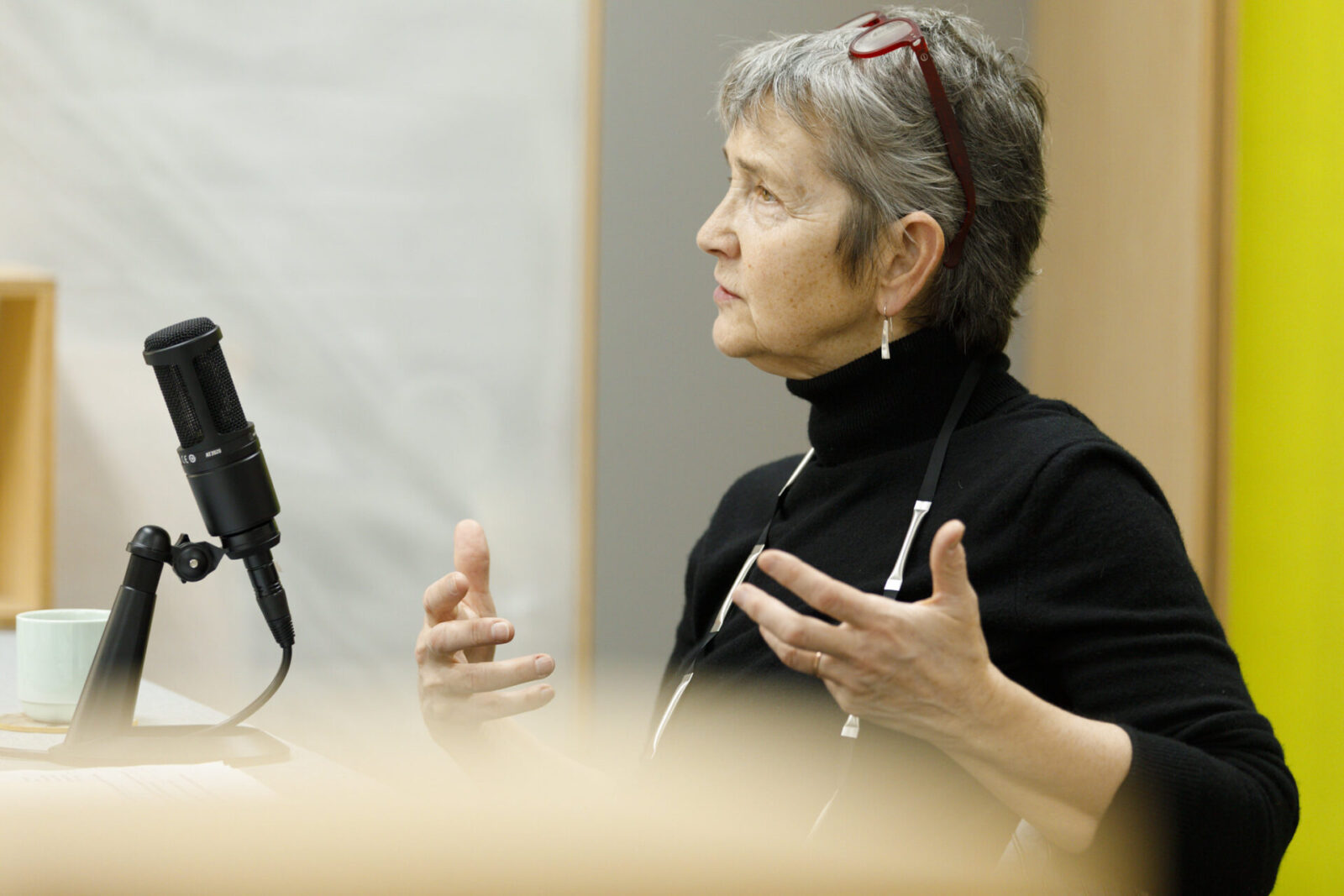
Yes. Liberate Tate, for those who don’t know, was a group of activist artists based in London. They were the first activists I encountered who not only had a really compelling message but delivered it in such a powerful way.
They would walk into the Turbine Hall at Tate Modern or the Duveen Galleries at Tate Britain and stage extraordinary performances. They would lie naked on the floor and have oil poured over them. One memorable action involved a hundred members dressed entirely in black walking into the Turbine Hall carrying sections of a huge wind turbine blade. Their actions began around 2010 and continued for roughly six years.
That made me profoundly conscious of two things. First, we really had to think seriously about our association with BP. Second, I came to understand the power of these kinds of interventions, the ability to draw attention in a very compelling way to a situation.
— Later, of course, there were activist groups throwing soup at historical paintings.
Yes, but what was so interesting about Liberate Tate was that at no time did their activities put the public or collection works at risk.
When I became Director of Tate Modern, things were extremely febrile. The security teams were very worried about activists entering the building. But after many discussions, we collectively decided that we would welcome activists into the museum, so long as they did not break the law or put the public or artworks at risk.
As a result, during that very active period of debate and demonstration around climate issues, we had some extraordinary projects come to us free. Amazing artists used the Turbine Hall as a plinth, if you like, and the front of the building as a canvas.
Taking On the Museum’s Civic Role
— Was there pushback from other curators or museum staff? From a Japanese perspective, it feels almost unimaginable that a museum would openly welcome activists.
Well yes, I understand that. But Tate is also quite a special building. When Herzog & de Meuron designed Tate Modern, they conceived of the Turbine Hall not as a gallery space but as a ‘covered street.’ It always had this interstitial quality, simultaneously outside and inside. It was a place where people naturally felt welcome. School groups walking along the Thames could come in, have a picnic, use the bathrooms; they did not have to look at the art. There was always a sense of openness built into the space.
Looking back, perhaps I had not fully thought through the stress and anxiety this created for staff, or the hidden costs of having so many people in the building. But at least for me, it created an extraordinary bond between Tate and the artist community in London, and that was deeply important.
— What was it like for you personally to engage in dialogue with those activists?
For me it was a huge education. One of the first projects I initiated after becoming Director was a commission with the Cuban activist artist Tania Bruguera. One of the first things she wanted to do was create a group of neighbours to work with us. Astonishingly, two of those neighbours turned out to be members of Liberate Tate. Suddenly, these activists became our neighbours.
That transformed my understanding of what it meant to be a museum director. I realised that my role was not simply about leading a team, creating programmes, or selling tickets. It was about understanding what a civic agenda could be. At that moment, climate, sustainability, and their intersection with social justice became part of that civic agenda.
I was also very fortunate that, just as I became Director, an extraordinary report was published by the Gulbenkian Foundation on the civic role of museums. It argued that if museums wished to retain the trust and respect of audiences — and if those audiences were to reflect the demographics of the cities they served — museums had to become more than museums.
They had to be the equivalent of churches, like places of comfort and solace. They had to be like town halls, places of debate. They had to be like schools, places of learning. They had to be like parks, places where people of all denominations, ages, classes, ethnicities can occupy themselves, happily and freely. And they had to be homes.
I loved those almost architectural archetypes, and they became an important framework for how I thought about leading the museum.
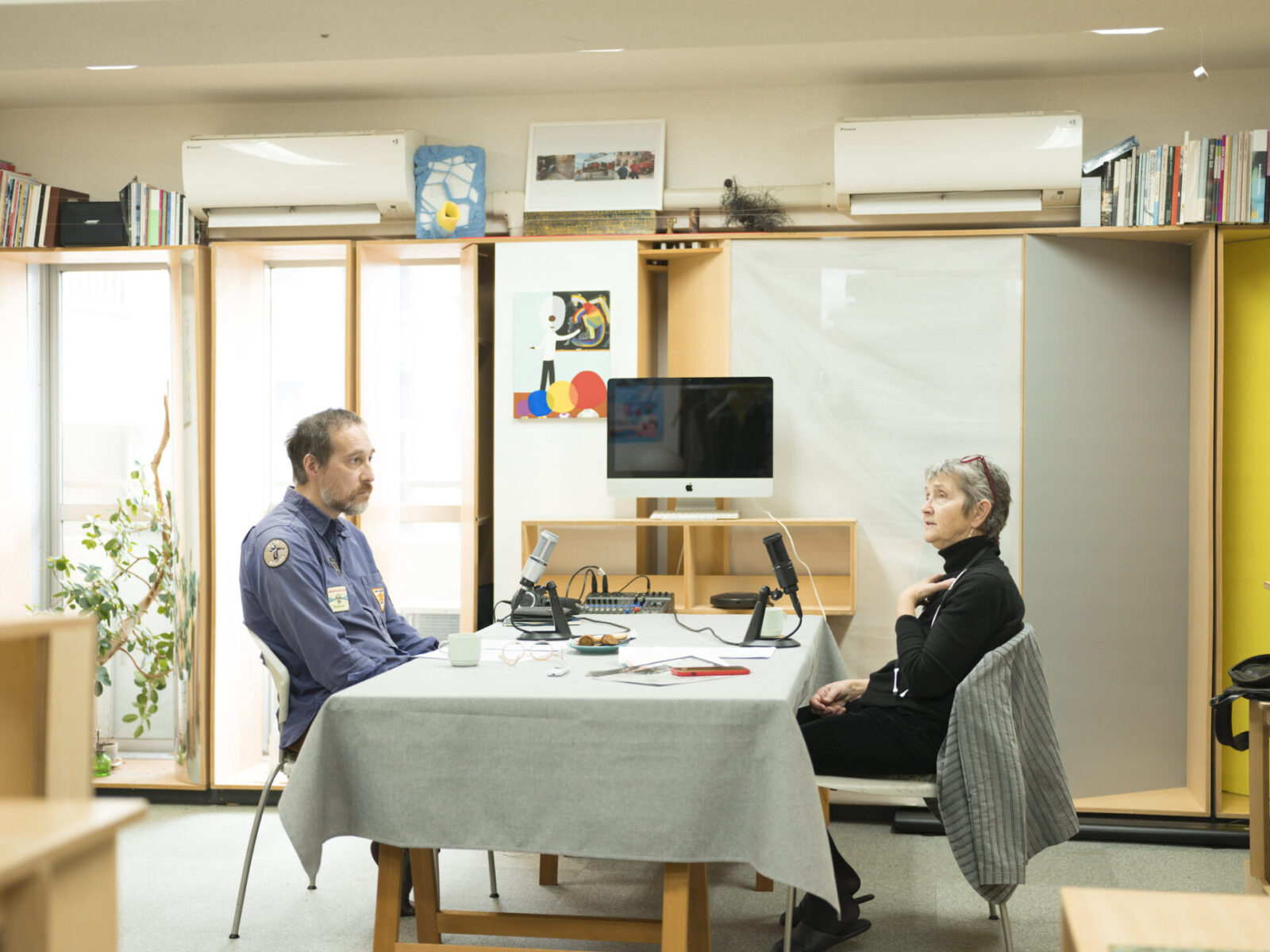
— That is wonderful. It reminds me of Brian Eno’s work Music for Civic Recovery Center, which proposes cultural spaces as places of recovery, healing, and collective experience.
Yes, I have huge respect for Brian. Once you take on these civic agenda, many things follow naturally. During the COVID19 pandemic, for example, it felt entirely natural for us to speak with the NHS and offer the Turbine Hall as a vaccination centre. Taking on that civic role opened the door to many conversations, many connected to climate, but also extending far beyond it.
When you take on a position like museum director, you kind of have one chance. You have got to have a vision and a mission — you cannot leave it for five years. Fortunately, at exactly that moment, I was involved in shaping Tate Modern as a new museum, encountering the Gulbenkian Foundation report, and working with Tania Bruguera. Together, those experiences shaped my methodology and my approach as a director.
One of my great hopes for the GCC is that, after an amazingly productive first five years, the next five years will be about building into conversations around broader ecologies.
The Roundtable That Led to GCC
— GCC was founded in 2020. How did you first become involved with it?
It is an interesting story. In April 2019, Heather Ackroyd and Dan Harvey — ecological activist artists I had known for a long time — approached me and said they were helping launch Culture Declares Emergency. They planned to hold a large march in London, with a horse, poets, and people wearing grass cloaks. They asked if they could bring the horse into the Turbine Hall for a photo opportunity and use the bathrooms. I said yes immediately. I made it very explicit: you are welcome.
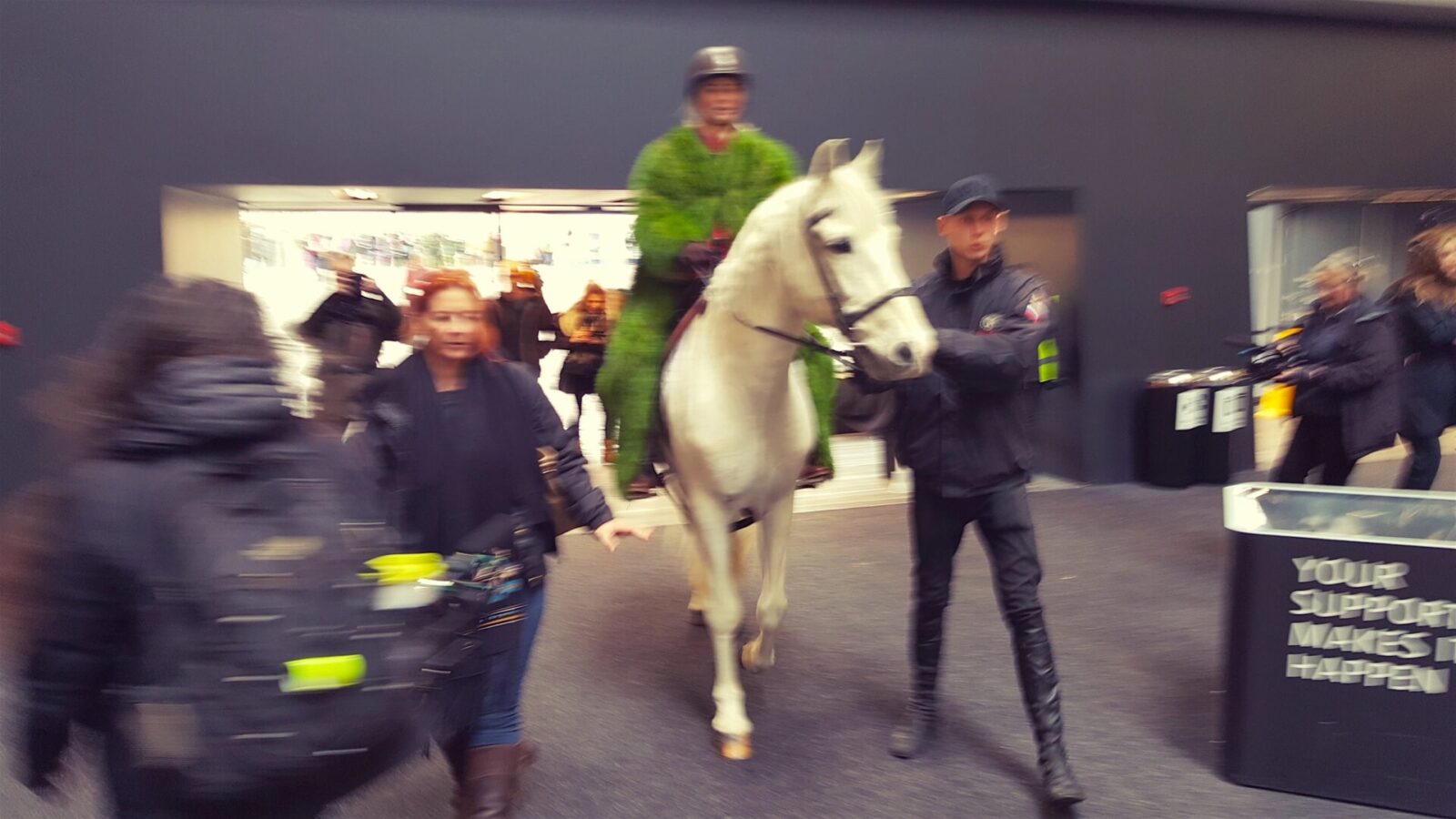
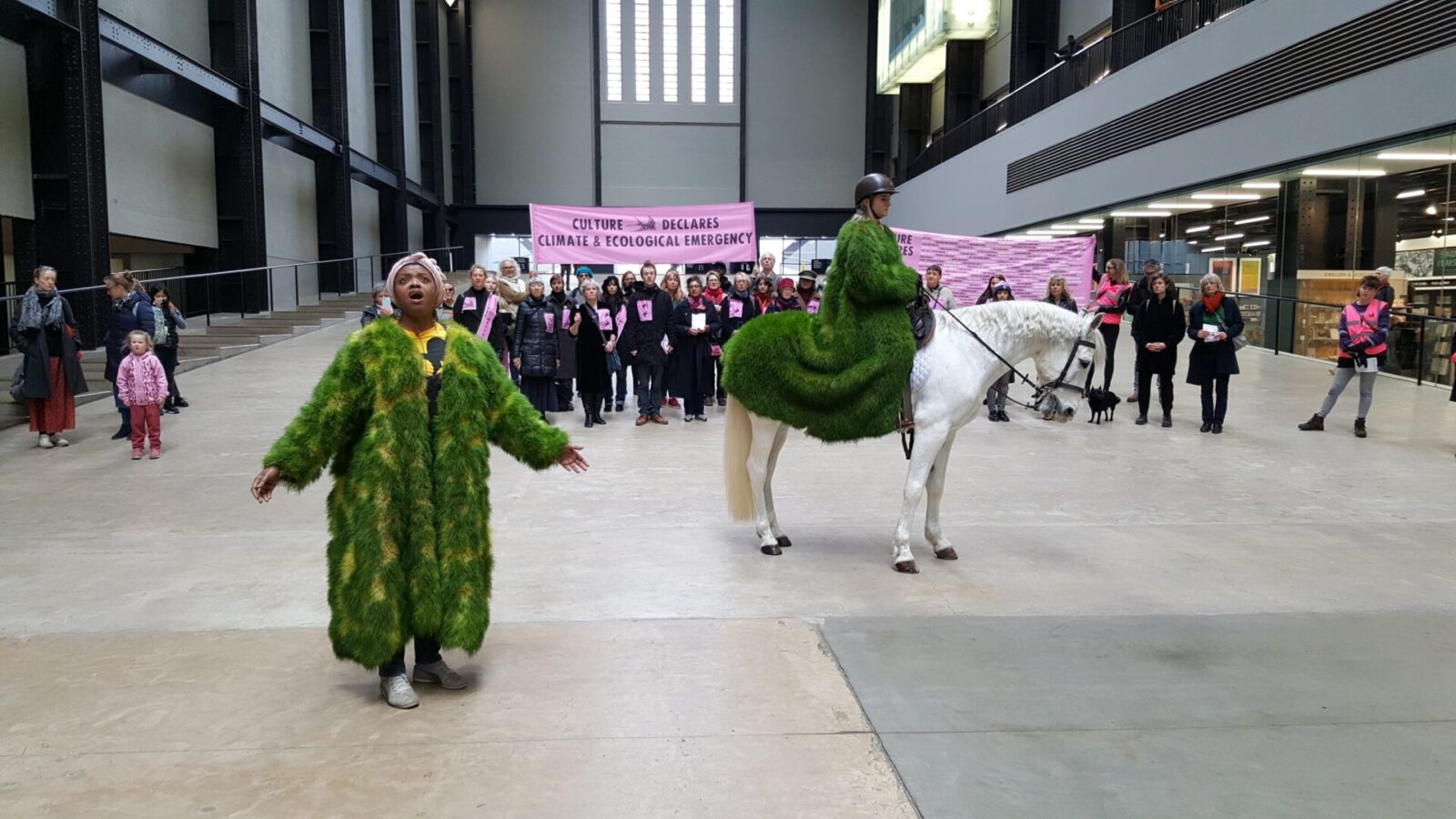
Culture Declares Emergency, Launch event Tate Modern 2019 © CDE Photo by Ackroyd & HarveyThat became a prelude to a roundtable we organized at Tate Modern, inviting people connected to visual culture in London. Artists such as Antony Gormley, Cornelia Parker, and Mark Wallinger attended, alongside Culture Declares Emergency, Extinction Rebellion members, radical activists, artists, assistants, and others connected to the scene. A small number of dealers from high-end commercial galleries also joined.
The discussions eventually led to Tate’s declaration of a climate emergency and to stronger support for artistic communities responding to the climate crisis.
What I did not know at the time was that after the roundtable, some of the dealers gathered downstairs for coffee and began asking each other, ‘What do we do now?’ That conversation became the initial spark for GCC. Thomas Dane, Greg Hilty from Lisson Gallery, Kate MacGarry, and Louisa Buck from The Art Newspaper began discussing the possibility of creating a collective focused specifically on commercial galleries.
To be honest, I was initially slightly suspicious. The art world, like many sectors, had largely been silent on climate issues. And being in the public sector, one naturally has a certain distance from commercial galleries. I simply did not know what they were trying to do.
But by 2021, as Tate developed a series of programmes responding to the climate declaration, GCC became deeply involved. We organised children’s programmes, artist commissions, installations by Jenny Holzer and Heather Ackroyd & Dan Harvey, and many kinds of open gatherings.
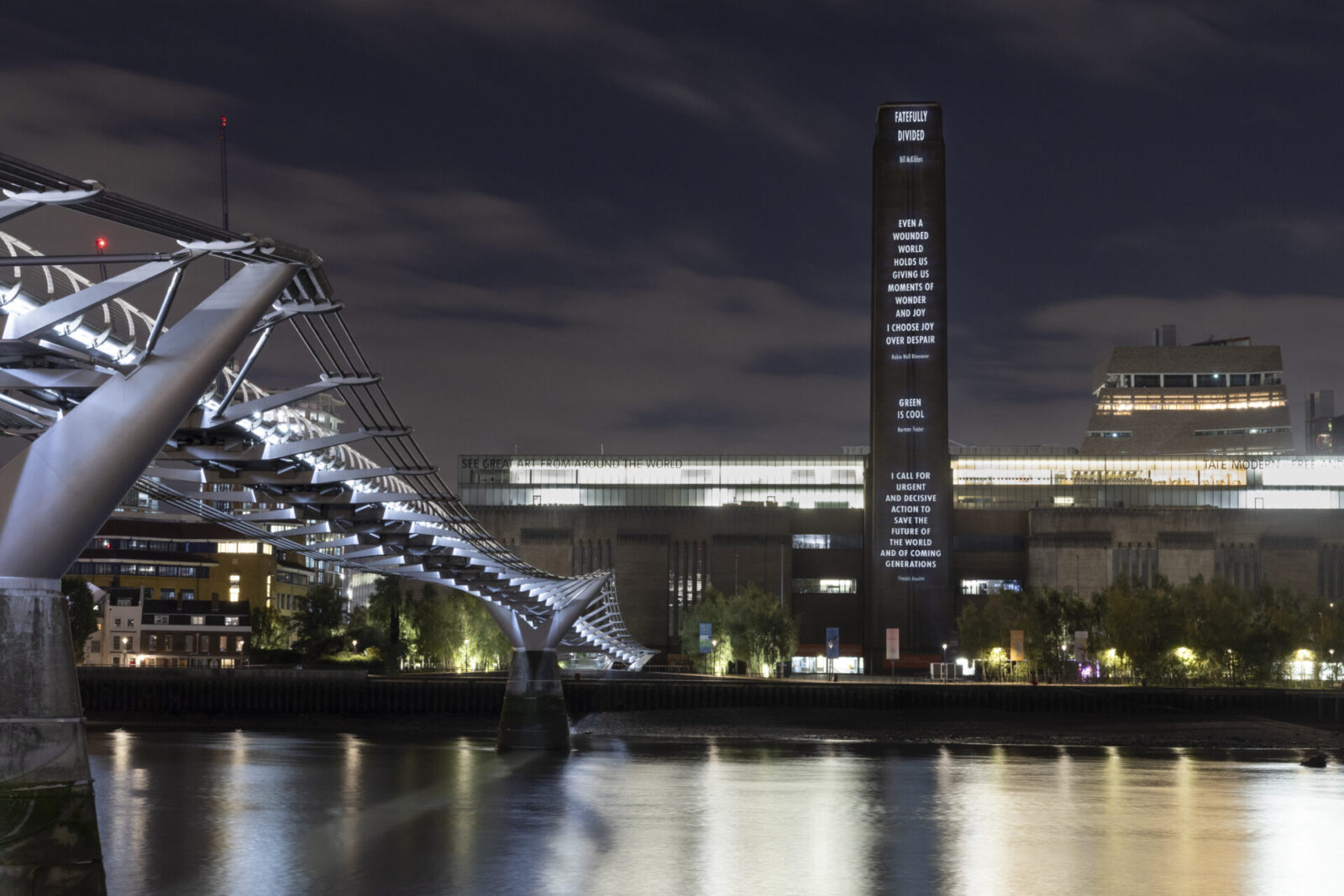
Jenny HolzerHURT EARTH, 2021Light projectionTate Modern, London Text:Braiding Sweetgrass by Robin Wall Kimmerer,©2013 by the author. Used with permission of Milkweed Editions; Lord Norman Foster,“My Green Agenda for Architecture,”TED Talk, January 2007. Used with permission of Lord Norman Foster; Sheikh Hasina, 2021.Used with permission of the Climate Vulnerable Forum. ©2026 Jenny Holzer/ARS, New York/ JASPAR, Tokyo, C5579 Photo:Adam Kenrick HURT EARTH by Jenny Holzer was co-curated and produced by Artwise and Shore Art Advisory and presented in collaboration with WWF-UK to mark COP26, the 26th annual United Nations summit on climate change. The commissioned artwork was launched at Tate Modern, before going to Scotland to be projected on various locations including the SEC Armadillo, whilst hosting COP26 in Glasgow 2021.Around that time, GCC began holding roundtables of its own. What struck me was how many people from small non-profit organizations attended. I realized they were providing something incredibly important: free of charge, high-quality advice, alongside a carbon calculator and toolkits that were remarkably straightforward and easy to use.
— Even for us in Japan, far away geographically, GCC’s work was incredibly inspiring.
It was a brilliant idea. Initially the commercial gallery sector financially supported the initiative, but it was beautifully conceived as a non-profit structure.
Drawing Out People’s Curiosity Naturally
— Earlier you mentioned the public programmes Tate organised. Were these intended primarily to raise awareness about the climate crisis?
I think there were many levels to it. For example, we revisited works in the collection that already contained ecological themes, but which we had never previously framed that way.
At the time, it happened to be the centenary of Joseph Beuys’s birth. Tate’s collection includes his extraordinary work, The End of the Twentieth Century, made from around seventy huge basalt rocks — volcanic remnants from turbulent planetary events, geological traces of the earth’s beginnings.
Those rocks were connected to Beuys’s earlier project 7000 Oaks, initiated in Kassel in the early 1980s for Documenta. He proposed greening the city as a kind of antidote to bureaucracy. Thousands of oak trees were planted across the city, each accompanied by a basalt stone. It linked the origins of the planet to the future of the planet.
At the same time, we knew about Heather Ackroyd and Dan Harvey’s long-term project Beuys’ Acorns. Around fifteen years earlier, they had visited Kassel, gathered acorns from Beuys’s oak trees, and grown three hundred new trees from them. So in 2021 we invited them to place one hundred of these young oak trees on the roof of the gallery where we were exhibiting Beuys’s work. It was a deeply poetic gesture.
— The artwork itself became the medium that drew people in.
Yes — storytelling.
— And not in an overly didactic way.
Absolutely not. The image itself was powerful enough to provoke curiosity. People would ask, ‘Why are there one hundred oak trees here?’ That curiosity became the entry point.
Of course there was explanatory information linking the project to Beuys, the collection, and wider ecological concerns. But there were also open workshops for children and broader public gatherings. The Power to Change programme unfolded across weeks and months.
My ambition was for this not to be a one-off event, but an ongoing programme. And to some degree, it became one, influencing how we approached displays, acquisitions, performance, and ecological themes more generally.
— Tate was also one of the first museums to visibly communicate its operational sustainability efforts; signage explaining rainwater usage, for example.
Carbon reduction is totally invisible. Of course the work itself matters enormously, but unless you communicate it, you cannot encourage anyone else through your example. The question is how to communicate it joyfully.
I always loved walking into the bathroom and seeing the sign telling me the toilets were flushed with rainwater. Or entering the shop and seeing Tate honey produced from bees kept on the museum roof. These were light touches, never preachy, simply interesting.
— But perhaps those are exactly the kinds of things that stay with people most strongly.
Exactly. They surprise people. And they also speak to responsibility. We often think responsibility belongs to leaders. But many of these gestures tried to communicate something different: that institutions are responsible because they are collectives of individuals. Everyone can make a difference.
Staying with the Trouble, Making Kin
— Did you ever curate exhibitions explicitly centred on sustainability or ecology?
I think many of our exhibitions were about ecology if you really drilled into them, from Olafur Eliasson to Magdalena Abakanowicz. The last art historical exhibition I worked on at Tate paired Hilma af Klint and Piet Mondrian. Mondrian is often treated as the paradigmatic figure of art’s retreat from nature, from nature into the white cube, formalism, total abstraction.
But Mondrian spent his life painting flowers and looking through microscopes. We wanted to return him to that larger world, while simultaneously creating space in the history of abstraction for someone like Hilma af Klint, who had never before been shown in that context.
Donna Haraway’s ideas — ‘making kin’ and ‘staying with the trouble’ — became touchstones for us. In a sense, we were troubling art history itself, bringing together two seemingly disparate figures. It became one of the most exciting exhibitions I have ever worked on. Suddenly Mondrian and af Klint existed within deeply interconnected narratives.
We often say that people only became globally connected in the twentieth century, but if you look at early twentieth-century shipping networks, telegraph cables beneath the ocean, and systems of communication, the world was already profoundly interconnected. That included spiritual networks linking India, Holland, and London. It was a deeply interconnected ecological world. In fact, even the earliest understandings of global warming emerged from that moment in history.
At the same time, people were still operating within Enlightenment systems of classification and taxonomy; value systems that continue to make new ways of thinking difficult even today.
What Is Needed for Structural Change
— Listening to you, what strikes me is how climate issues became embedded within the everyday life of the museum itself, rather than appearing only in special exhibitions.
It was an extraordinary moment. During that period, we appointed Tate’s first Curator of Ecology through Hyundai’s transnational research network. Their role focused on acquisitions, displays, projects, and thought leadership related to art and ecology. At the same time, we appointed an adjunct curator of indigeneity.
These developments emerged from a combination of historical circumstances and the alignment of many like-minded colleagues across departments — learning, public programmes, estates, building operations.
But looking back now, I realise how fragile that balance was. I served as Executive Chair of Tate’s cross-institutional climate action group, and when I left, there was nobody to continue that role.
— That is always the problem.
Exactly. Green groups alone are not enough. Senior leadership involvement is absolutely essential. GCC does wonderful work supporting and mentoring green groups, but ultimately those groups need genuine buy-in from the most senior leadership in the institution.
— GCC has evolved enormously over the past five years. How do you imagine its next phase?
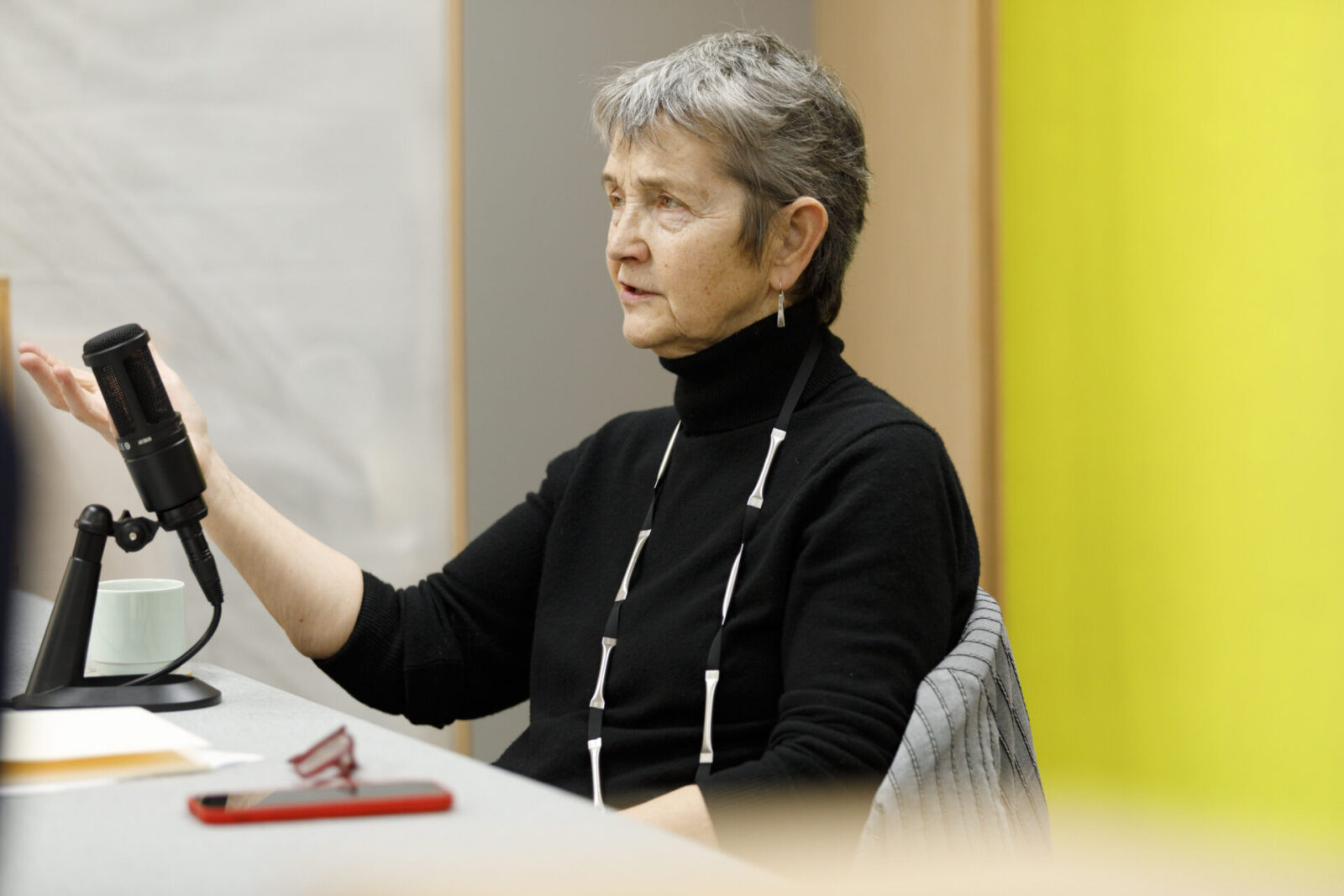
GCC is now well established. It spans over sixty-five countries, and the combined number of people connected through member institutions exceeds twenty-five thousand. Commercial organisations now represent less than a quarter of membership. It includes everyone from the largest institutions to the smallest organisations, from wealthy institutions to those with very limited resources, from individuals to collectives. There is probably no other cultural organisation quite like it.
Until now, GCC has focused primarily on emissions, on putting your own house in order. But the next question is: what comes next? You can address emissions at the level of individual units, but emissions alone cannot address the issue of growth itself, or structural change, or questions of values.
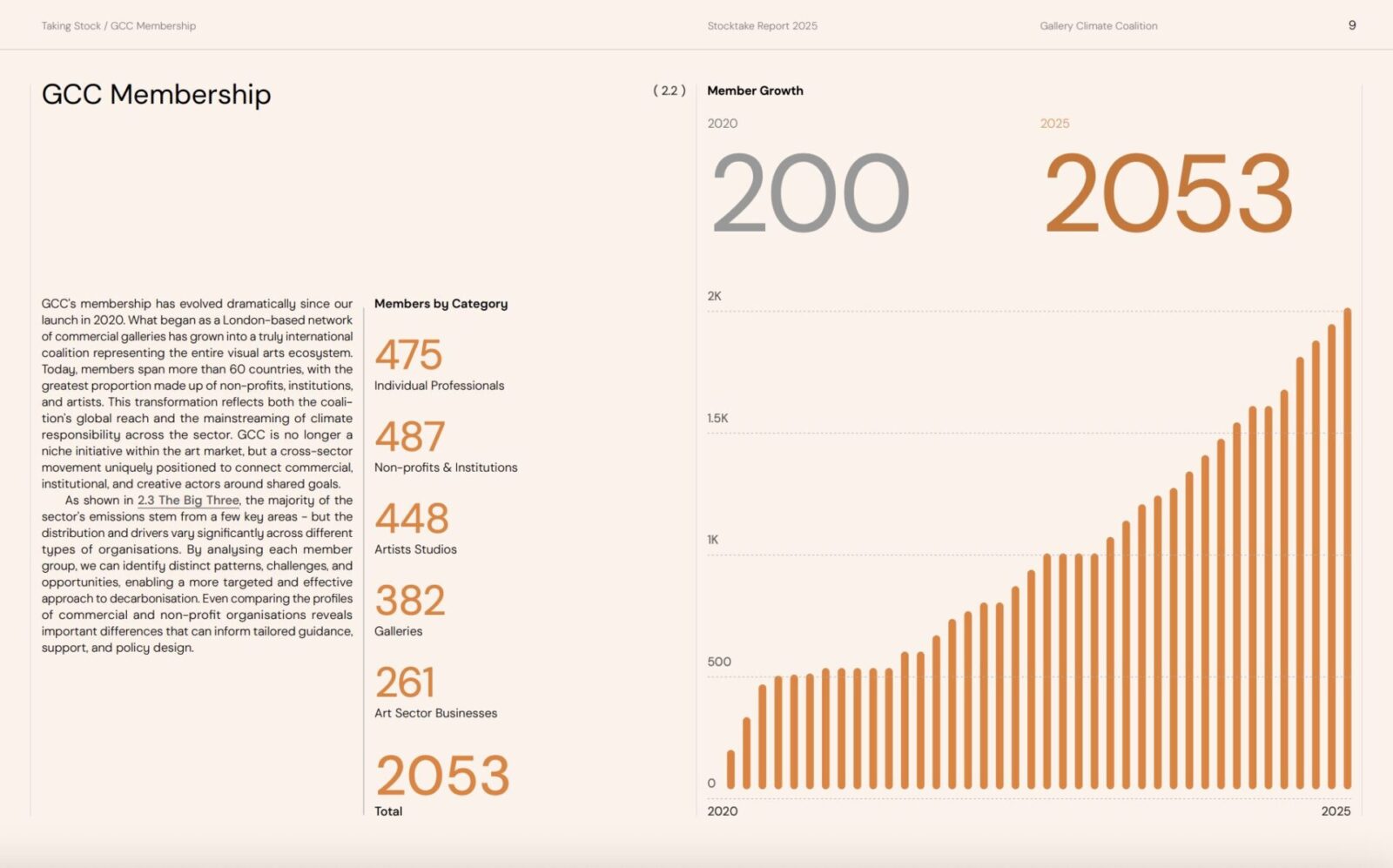
GCC Stocktake Report 2025But because GCC spans the whole sector, it has enormous potential to convene the conversations that now need to happen. At Tate, I felt very strongly that real change requires a long-term mission and vision. So the key question for GCC now is: what is its long-term mission? Only once that vision is clear can we begin moving toward it.
And those conversations must happen internationally, not only within the UK, but with partners such as yourselves.
Updating the Art World’s Existing Value Systems
— Do you personally have a vision for how the art world should look in ten years?
Perhaps my vision is overly shaped by my museum background. But I would like to rethink collecting and the blockbuster exhibition model, because these structures determine so much of what the wider art world privileges.
At the same time, the most exciting new growth in the art world is happening outside those dominant structures. At least at Mori Art Museum or Tate, that change is not coming from traditional forms of collecting or large-scale exhibitions. Rather, its signs can be found in community participation and grassroots civic practice. Visual culture is increasingly emerging from wider culture itself.
I see a great opportunity there for moving forward. But this does not necessarily connect easily with the commercial sector, which is still expanding rapidly. The art world is part of the real world, and a microcosm of it. A small number of institutions and artists continue to become richer, while the majority become poorer. Ultimately, I think we must ask how the art world can serve the greatest number, for the greatest benefit. That is where the possibility lies.
— Engaging with these questions inevitably leads one toward ideas like degrowth or Kate Raworth’s ‘doughnut economics’ — frameworks that emphasize limiting excess and becoming leaner, wiser, and more selective.
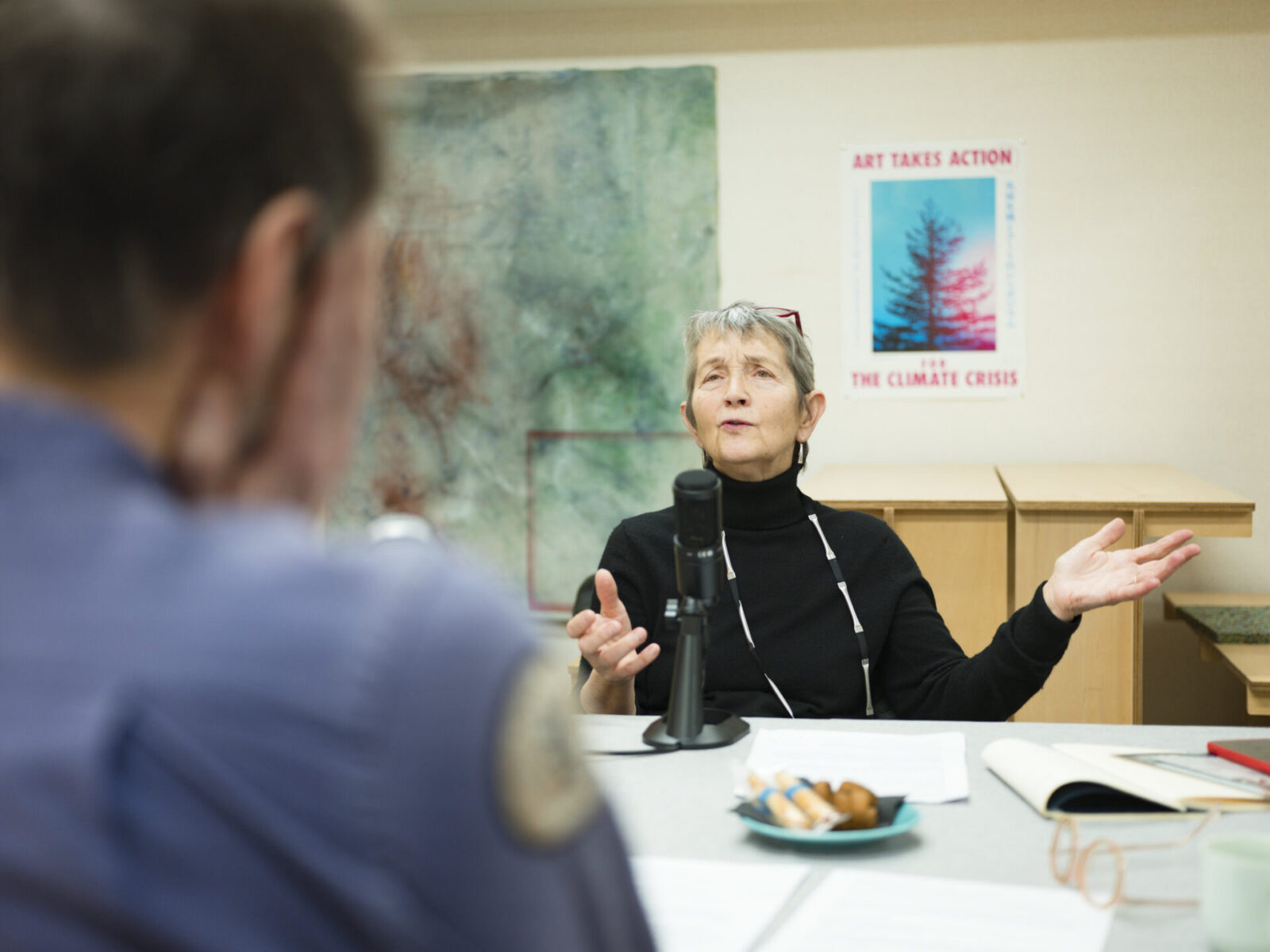
Absolutely. These thinkers don’t necessarily provide answers, but they help us frame the right questions. Donella Meadows’ systems thinking, for example, uses the image of the iceberg. What is visible is only the tip. Beneath it lie the underlying values. And the art world is still supported by an extremely outdated value system.
— I often think about the idea of freedom in this context, the freedom to express oneself however one wishes. It’s a difficult issue. But when you start really looking into Indigenous ideas of sustainability, or what ‘living’ actually means, you find that there are always certain kinds of limits or boundaries. It seems to me that much of the twentieth century, especially within avant-garde traditions, often imagined freedom as almost limitless.
But also rarefied and elitist.
— Exactly, almost a sense that anything is permissible.
Yes. Museums themselves were built around ideas of accumulation and collecting. Vast resources are devoted to preserving objects indefinitely, even when many may never again be publicly shown. That leads us to ask very basic questions: objects or people?
And beyond that, only a tiny number of artists actually maintain studio practices supported by elite galleries. Meanwhile, generations of artists are working in entirely different ways, as activists, teachers, performers, makers, collaborators.
— I have learned a great deal from craftspeople. In Japan especially, there is such a deep tradition of craftsmanship. People working in ways that are almost unchanged from 400 years ago.
Yes, but not only craftspeople. Today everybody is making things. I have recently started ceramics myself, and I discovered there are millions of underground ceramicists across the UK. It is fantastic.
Not Only Adapting, But Imagining Futures
— As we come to a close, I would like to ask about adaptation. GCC has primarily focused on mitigation, reducing emissions. But we also need to discuss adaptation. Harm is already happening. Tokyo is now experiencing forty-degree summers. What role can GCC play in helping museums, artists, and cultural workers imagine how to live within these unavoidable futures?
I hope GCC can help foster climate literacy — literacy around adaptation, but also around future thinking. Because the danger is that adaptation itself becomes the endpoint.
We need to balance adaptation with a powerful sense that we can still act, that we still have a future, and that we can remain positive about it.
There is so much to gain, not only through reducing emissions, but through changing the ways we work. Museums and galleries could become more interesting places, serving artists and the public better.
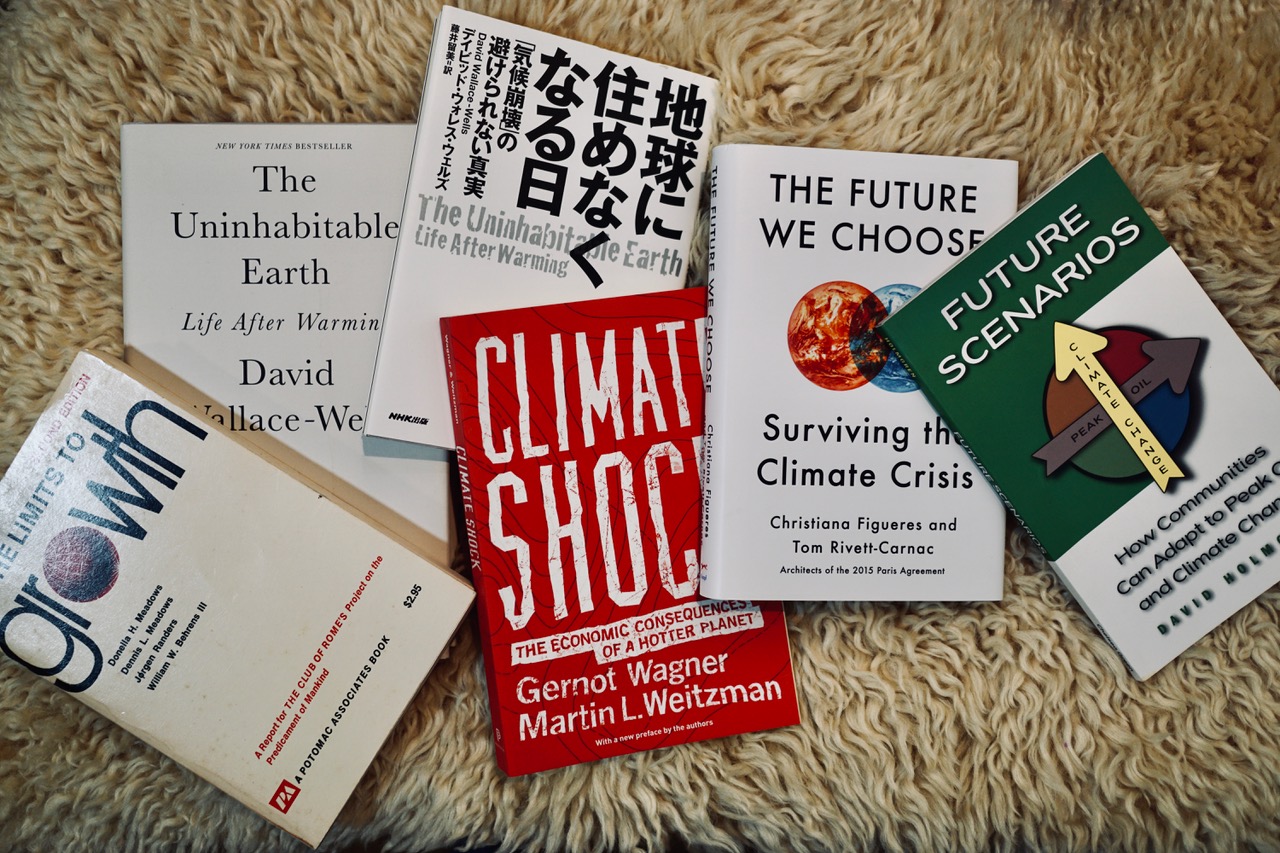
— Which brings us back to what you said at the very beginning: science fiction can become an important source of energy for imagining futures.
Rebecca Solnit says the climate crisis is a crisis of storytelling. And perhaps there is no form better suited than science fiction for telling those stories — both good and bad — in compelling ways.
We need the good stories and the bad stories.
— I completely agree. We have gone in many different directions today, but I think this has been a wonderful conversation. Frances, thank you so much.
No answers, only questions. That’s the problem, isn’t it?
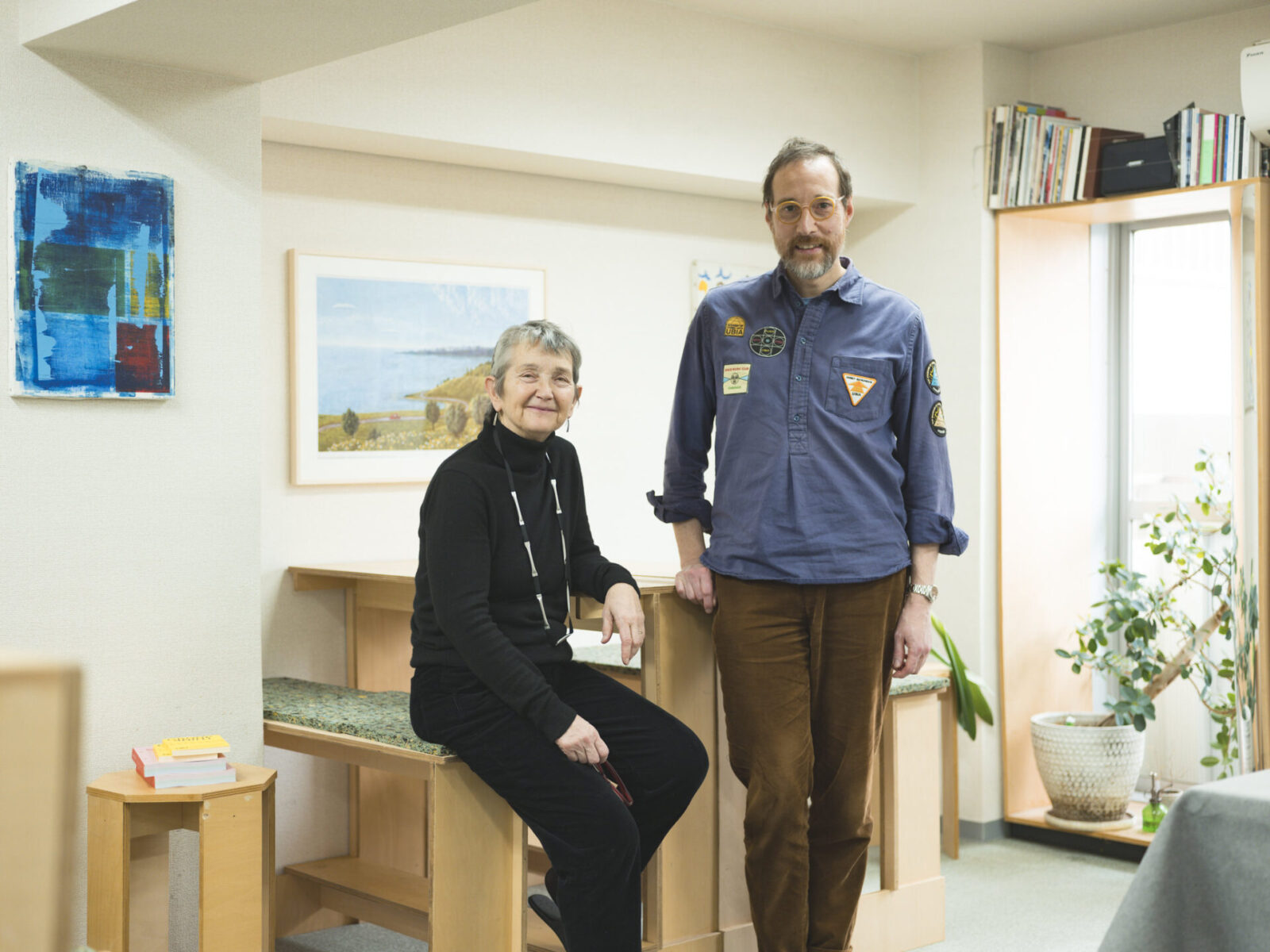
Writer: Yu Kinoshita
Photographer: Koh Akazawa
気候危機とアート とは?
気候危機とアート
アートがもつ表象の力、美術史や言説と気候危機の関係、そして具体的な実践について、AITの活動全体を通じて追求していきます。アート・オンライン講座「崩壊の時代の芸術体験」コースやTASで行っている講座と合わせてご活用ください。
CLIMATE CRISIS and ART とは?
CLIMATE CRISIS and ART
Through AIT’s activities as a whole, we explore the power of art to represent and shape our understanding of the world, the relationship between art history, discourse, and the climate crisis, as well as concrete forms of artistic and cultural practice.