
Mafumi Wada (AIT)
Polina Davydenko After Time 2024
Julia Fider, a writer and curator who took part in AIT’s residency program through the Mondriaan Fonds has contributed an essay to the art media platform Tokyo Art Beat. Drawing on her three-month residency in Japan, she reflects on how neoliberalism and capitalism shape—and constrain—the ways we experience and process grief. An excerpt from her essay is introduced here.
Text: Julia Fidder
From May 2025 until August 2025, I was in residence at Arts Initiative Tokyo to conduct research on modes in which grief can persist over time. Over the past years, I have dedicated my research to better understanding how grief manifests itself and behaves within societies that are heavily influenced by neoliberalism and capitalism. They respectively cause the privatisation of grief and push for efficiency when it comes to the time we have for grieving. I found that both these tendencies put pressure on grief that is unhealthy and further complicates our relationship with a topic that has already been pushed to the margins in neoliberal and capitalist society.
Neoliberalism, on the one hand, causes grief to go underground. The emphasis on the individual that came with the rise of neoliberalism puts grief at risk of privatization and stigmatization, pushing it outside of shared life and limiting it to the private spheres of the home.
Capitalism, on the other hand, with its pursuit of efficiency, lowers the time available for grief. In capitalism, we are all made to be producers and consumers in order to uphold the system. In Oppression of the Bereaved (*1), Dr. Darcy Harrisdescribes how grieving individuals consume way less market goods, which threatens the capitalist system. So we are pressured to return to our ‘normal’ lives as producers and consumers as quickly as possible, limiting the time for grief.
*1──Harris, D. (2010). Oppression of the Bereaved: A Critical Analysis of Grief in Western Society. OMEGA – Journal of Death and Dying, 60(3), 241-253. https://doi.org/10.2190/OM.60.3.c

RESIDENCY とは?
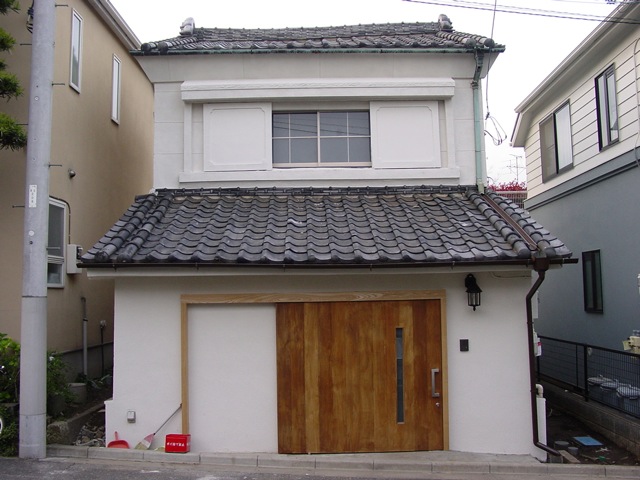
RESIDENCY
Through collaborations with overseas cultural institutions and foundations, AIT invites artists and researchers working in multidisciplinary fields to Japan, and creates opportunities for international exchange with the aim of sharing knowledge and experience.